
- Your cart is empty
- Continue shopping
-
admin2
- Posted on
- Categories:Uncategorized
- 0 comments
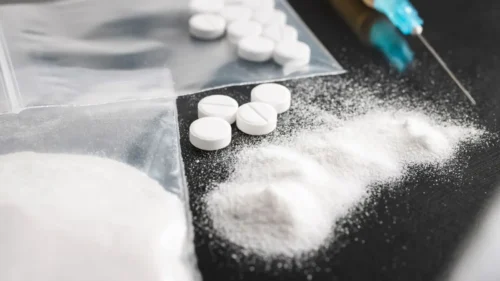
The Risks and Reality of Protonitazene For sale UK, USA, Canada, Australia, Europe Purity.
Protonitazene purity is a critical factor in determining the safety and potency of this high-strength synthetic opioid. As a member of the benzimidazole class, protonitazene was originally developed in the 1950s as an analgesic but never reached the pharmaceutical market. Instead, it has resurfaced as a potent new psychoactive substance (NPS), which increases the urgency of understanding protonitazene purity and its associated risks.
The Challenge of Determining Protonitazene Purity
Because protonitazene is often distributed in unregulated markets, the actual concentration in a sample can vary wildly. While analytical reference standards—such as those used in forensic labs—boast a protonitazene purity of ≥98%, street-level samples are frequently diluted with unknown cutting agents or mixed with other nitazene analogs.
To combat this, forensic laboratories utilize advanced techniques such as liquid chromatography with mass spectrometric detection (LC-MS) and LC-MS/MS to identify the compound and quantify its concentration. These rigorous testing methods are essential because even a minor discrepancy in purity can lead to a massive difference in physiological effect, given the drug’s extreme potency.
Potency and the Danger of Impurity
The danger of low protonitazene purity or the presence of undisclosed analogs lies in the drug’s potency. Protonitazene is significantly more powerful than traditional opioids, and mistakes in dosing due to purity issues can lead to:
Severe Respiratory Depression: The most critical risk associated with potent opioids.
Overdose: As seen in forensic casework, protonitazene has been detected in fatal poisonings, often due to a lack of knowledge regarding the substance’s actual strength.
Unpredictable Interactions: Impurities or the presence of other nitazene analogs (like isotonitazene) can lead to synergistic effects that increase toxicity.
Conclusion
Ensuring protonitazene purity is paramount to reducing the risk of overdose and addiction. Due to its high potency and the prevalence of unregulated samples, this substance should only be accessed and used under the strict supervision of a medical professional. Rigorous testing and precise dosing are the only ways to mitigate the inherent dangers of this powerful synthetic opioid.
