
- Your cart is empty
- Continue shopping
-
admin2
- Posted on
- Categories:Uncategorized
- 0 comments
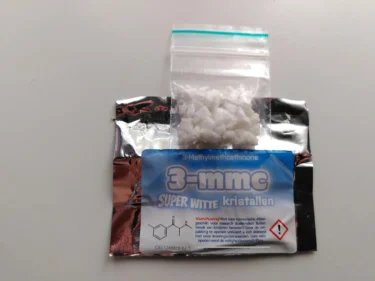
3-MMC (Metaphedrone)For sale USA, UK, Canada, Australia Europe: A Guide to the Synthetic Cathinone
In the evolving landscape of novel psychoactive substances, 3-MMC, also known as 3-methylmethcathinone or metaphedrone, has gained prominence as a versatile stimulant-entactogen. A structural isomer of the well-known mephedrone (4-MMC), 3-MMC was originally introduced to the market as a legal alternative, quickly becoming a staple in the substituted cathinone family due to its distinct pharmacological profile.
What is 3-MMC? 3-MMC (metaphedrone)
It is a synthetic stimulant that acts as a monoamine transporter substrate. Unlike simple stimulants, it doesn’t just block the reuptake of neurotransmitters; it potently triggers the release of dopamine, norepinephrine, and serotonin. This triple-action mechanism is what gives 3-methylmethcathinone its characteristic blend of energy and euphoria.
Subjective Effects and Experience
Users of 3-MMC often report a synergy of stimulant and empathogenic effects. Common experiences include:
- 1. Mood Elevation: Intense euphoria and a pervasive sense of well-being.
- 2. Enhanced Sociality: Increased confidence, talkativeness, and feelings of empathy toward others.
- 3. Physical Stimulation: Elevated energy, increased libido, and a heightened appreciation for music.
- 4. Cognitive Focus: Increased alertness and wakefulness, typical of the cathinone class.
- The onset of these effects is rapid, typically peaking within 10 to 60 minutes depending on the route of administration.
Pharmacology and Comparison
While 3-MMC is closely related to mephedrone, users often describe it as having a slightly different “flavor.” It is frequently compared to MDMA but is noted for having stronger stimulant properties and a slightly less intense empathogenic quality. Its ability to increase dopamine and serotonin levels makes it a potent tool for altering mood and perception.
Safety and Responsible Use Because
3-MMC is a powerful stimulant, responsible use is essential. Potential risks include cardiovascular strain, insomnia, and the possibility of dependence if used excessively. As with all research chemicals, starting with a low dose and utilizing harm-reduction testing is strongly recommended to ensure purity and safety.
